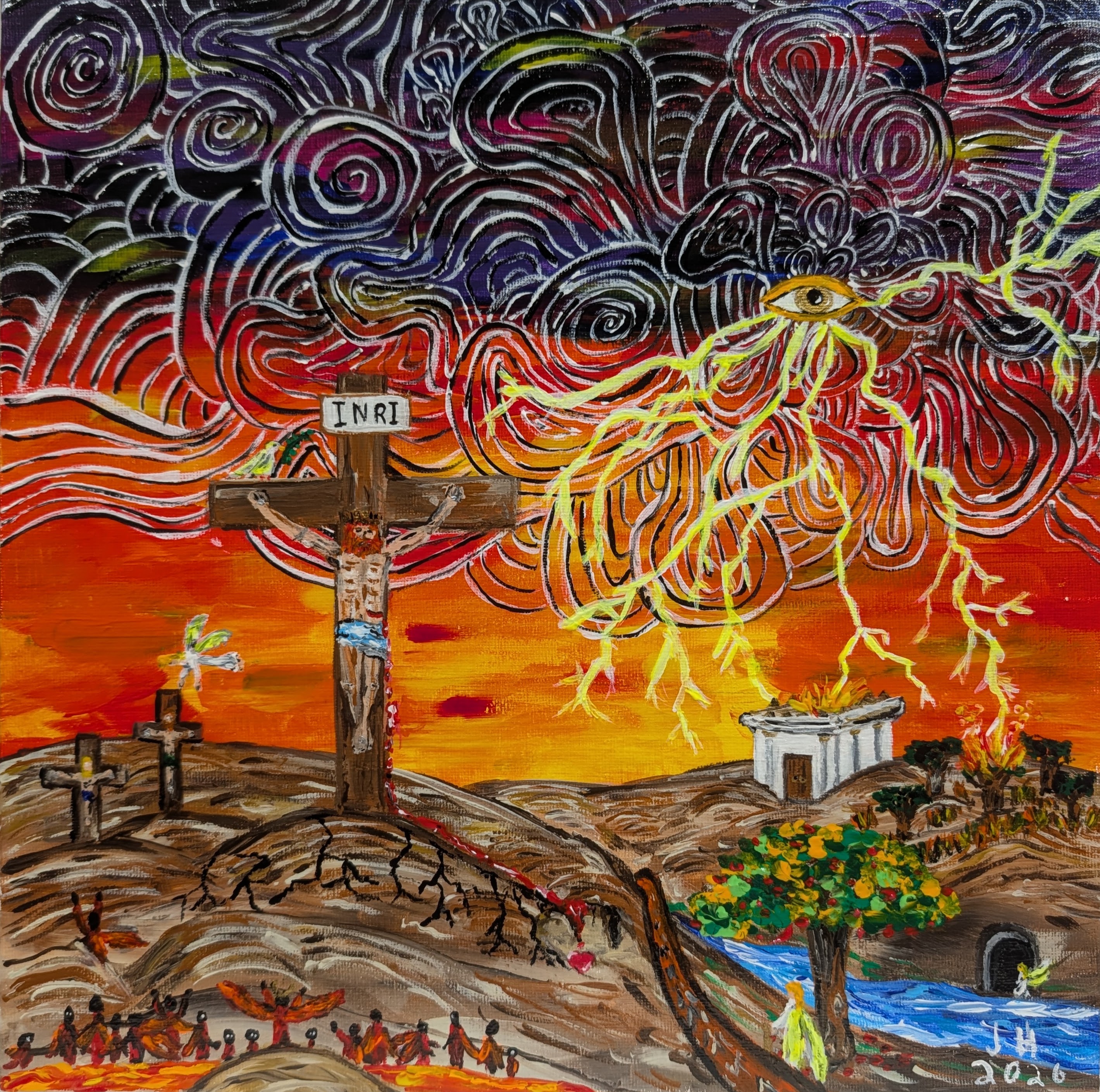
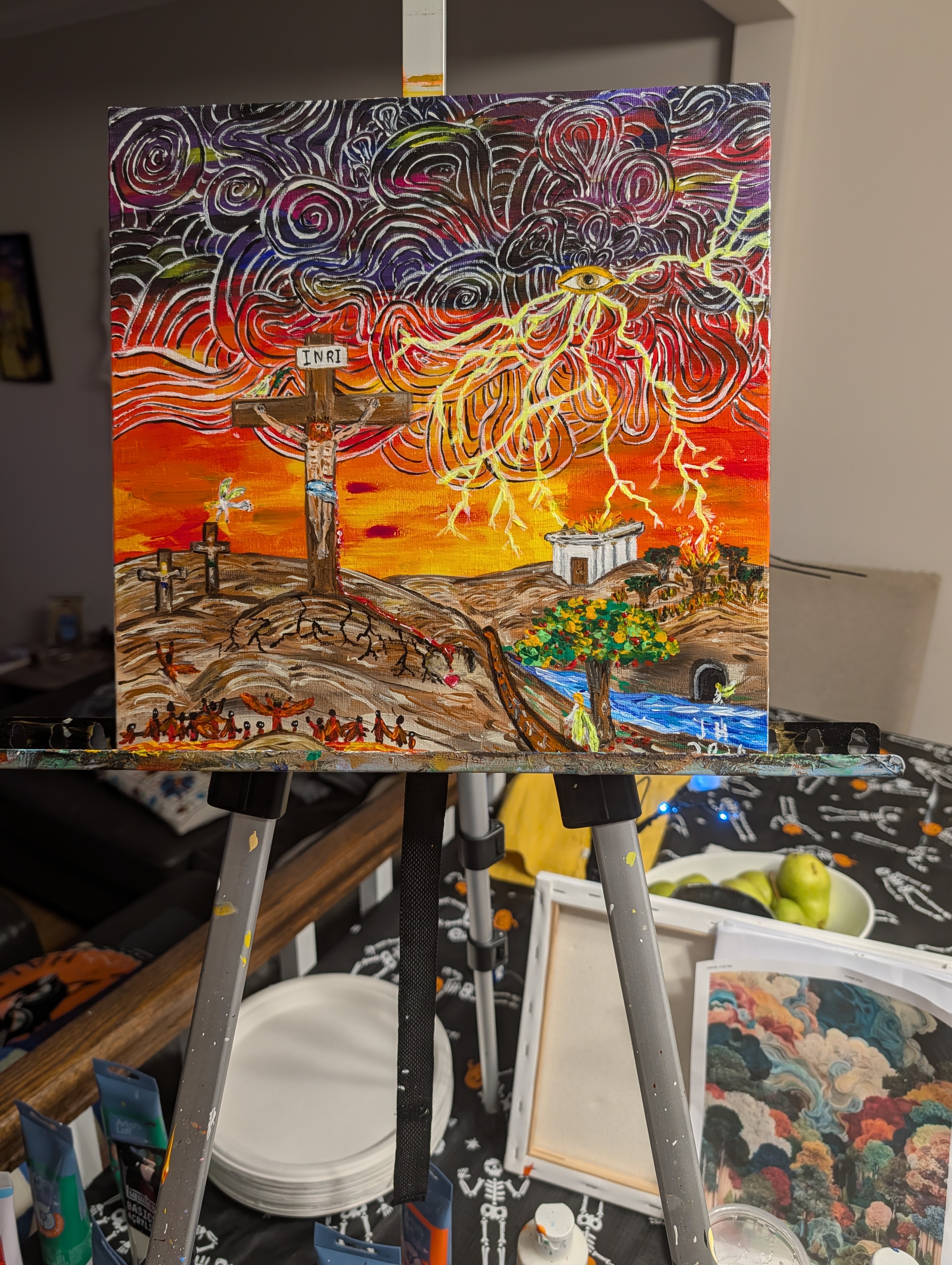
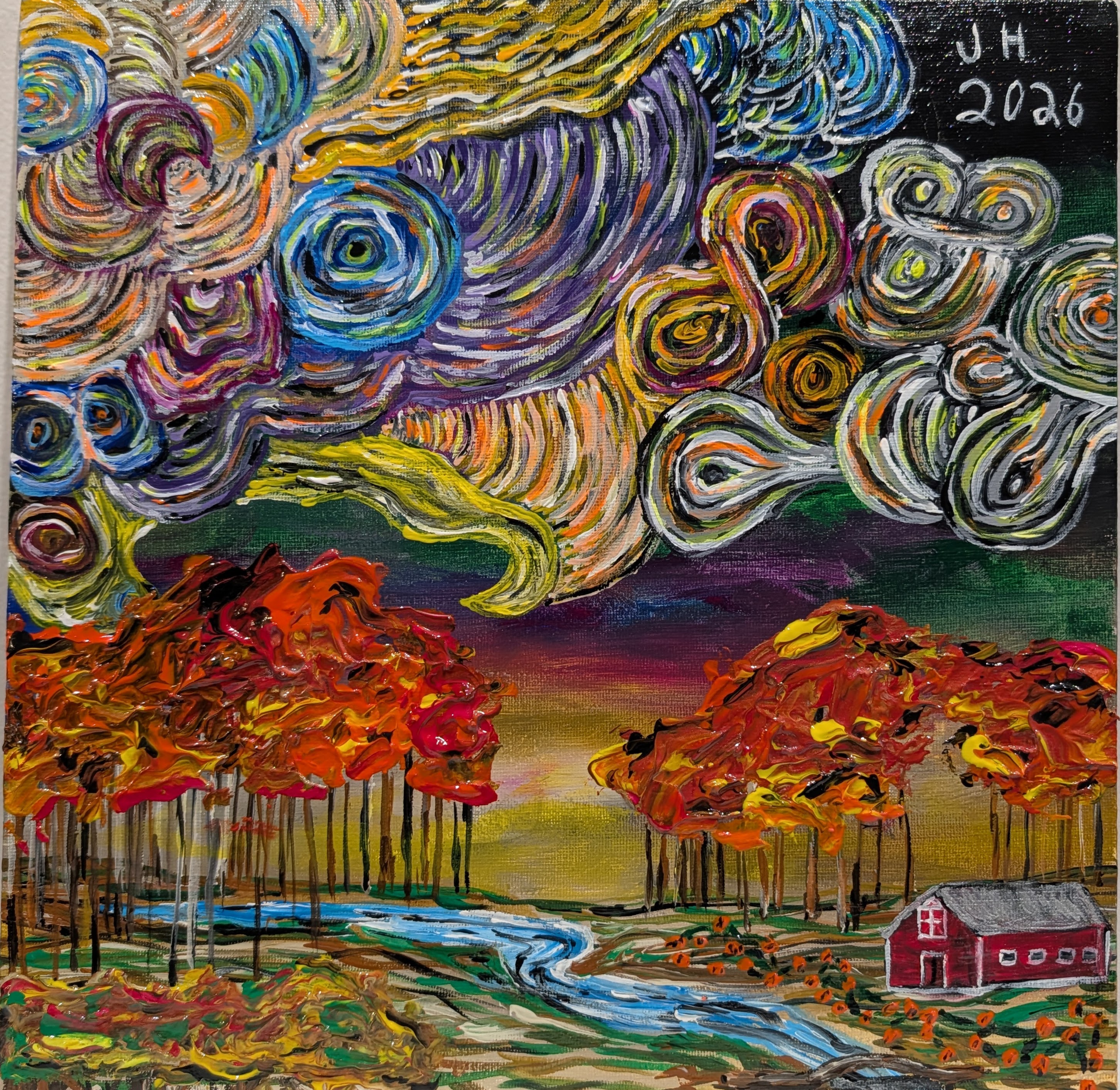
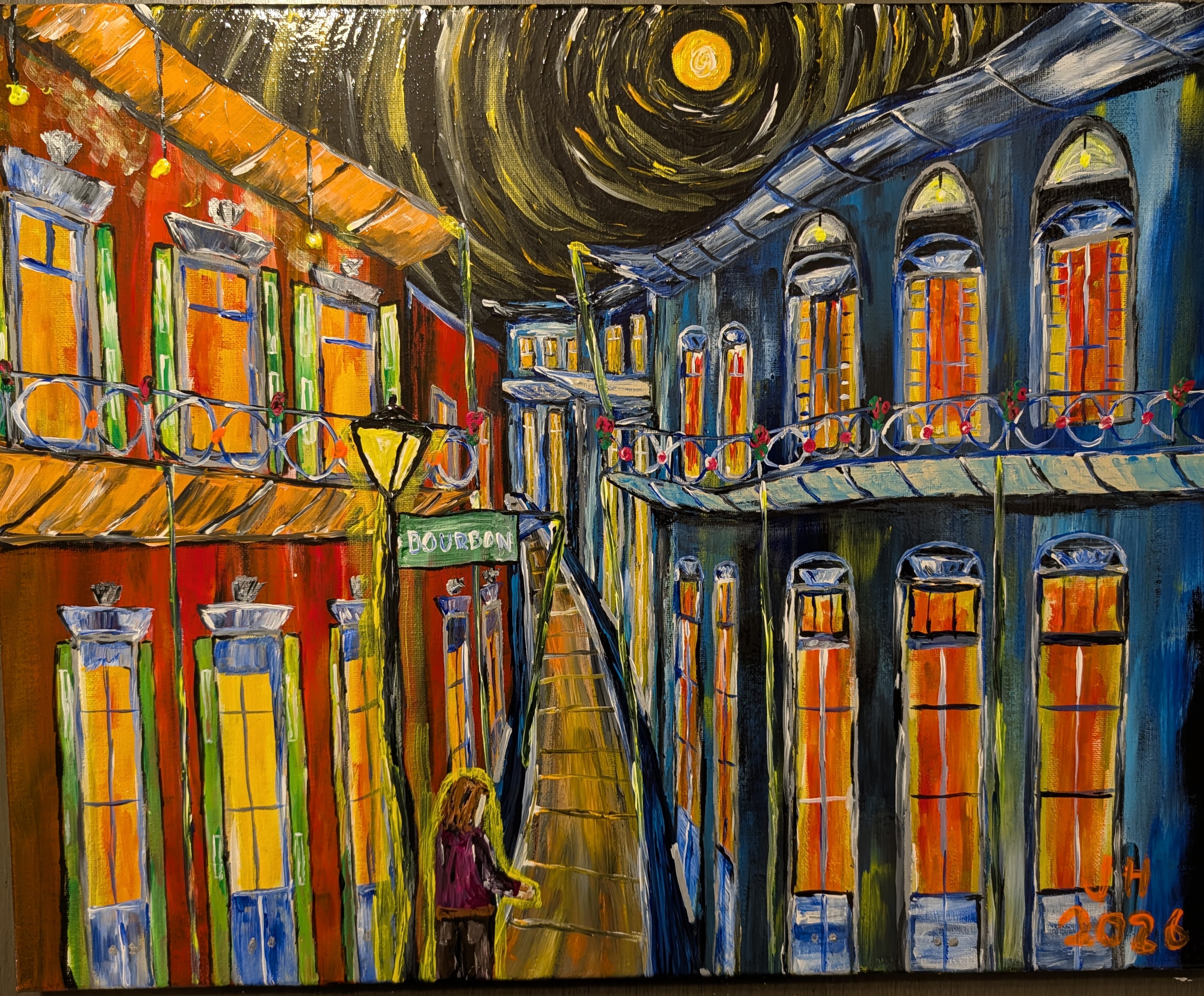
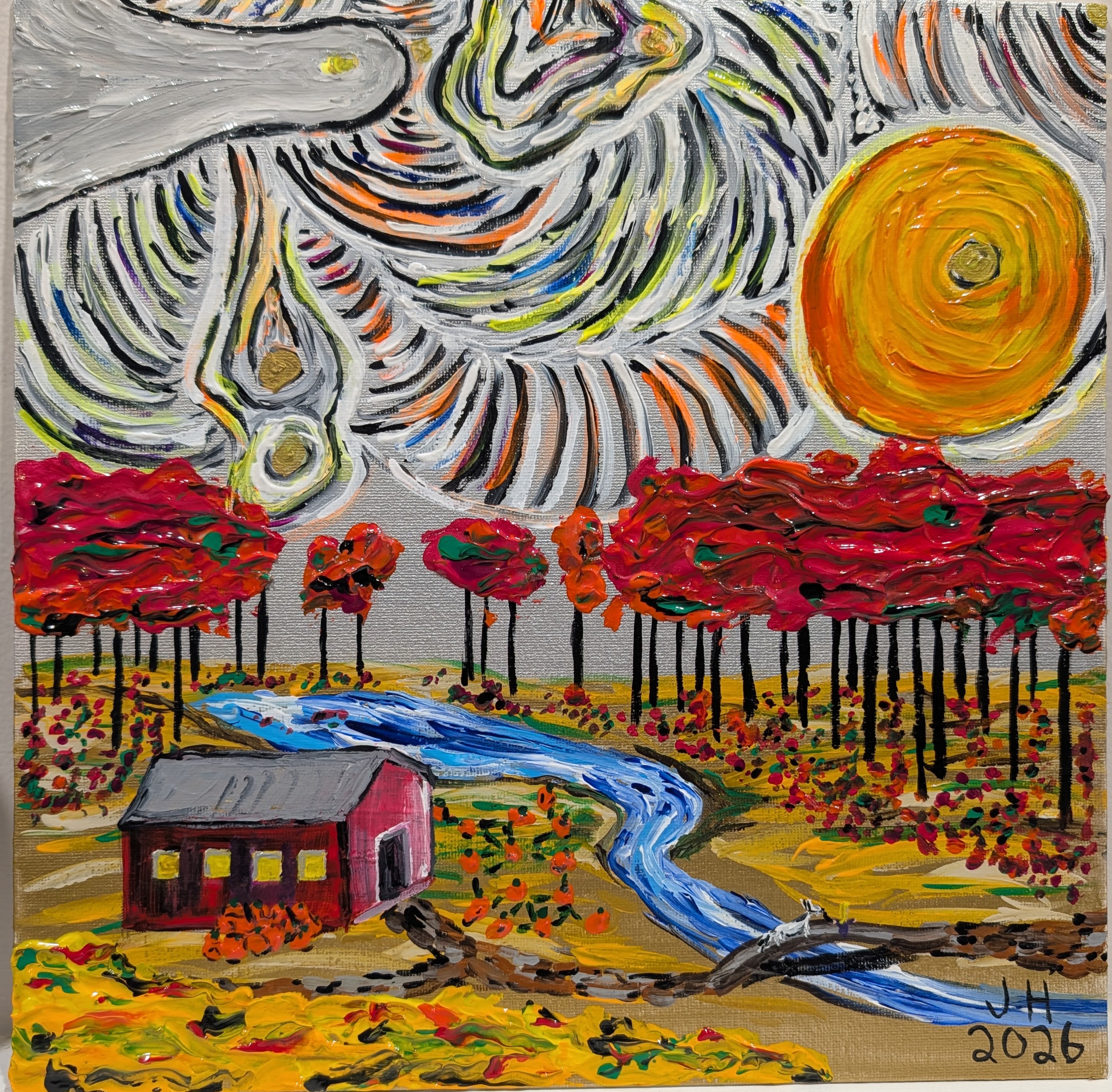
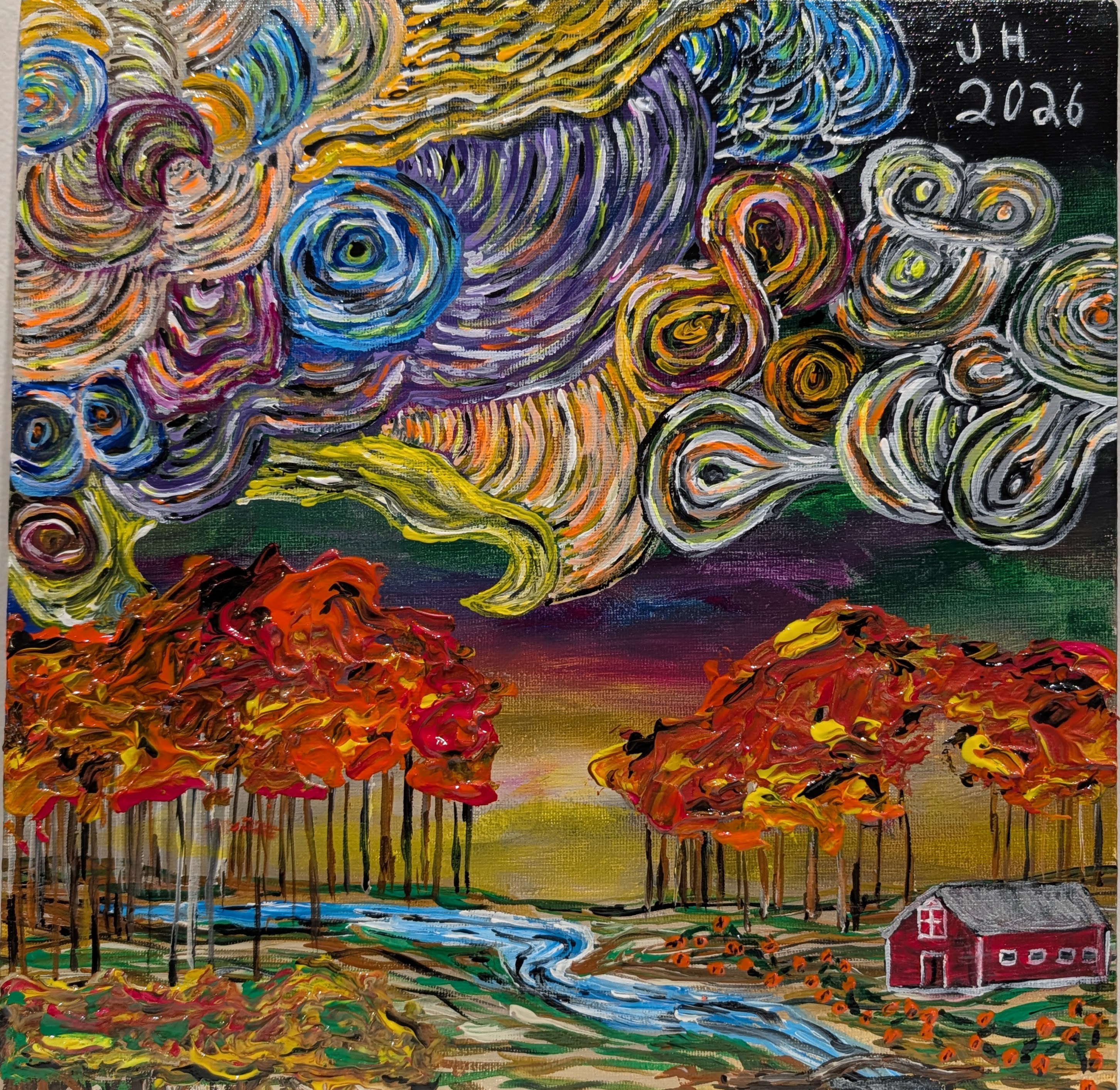
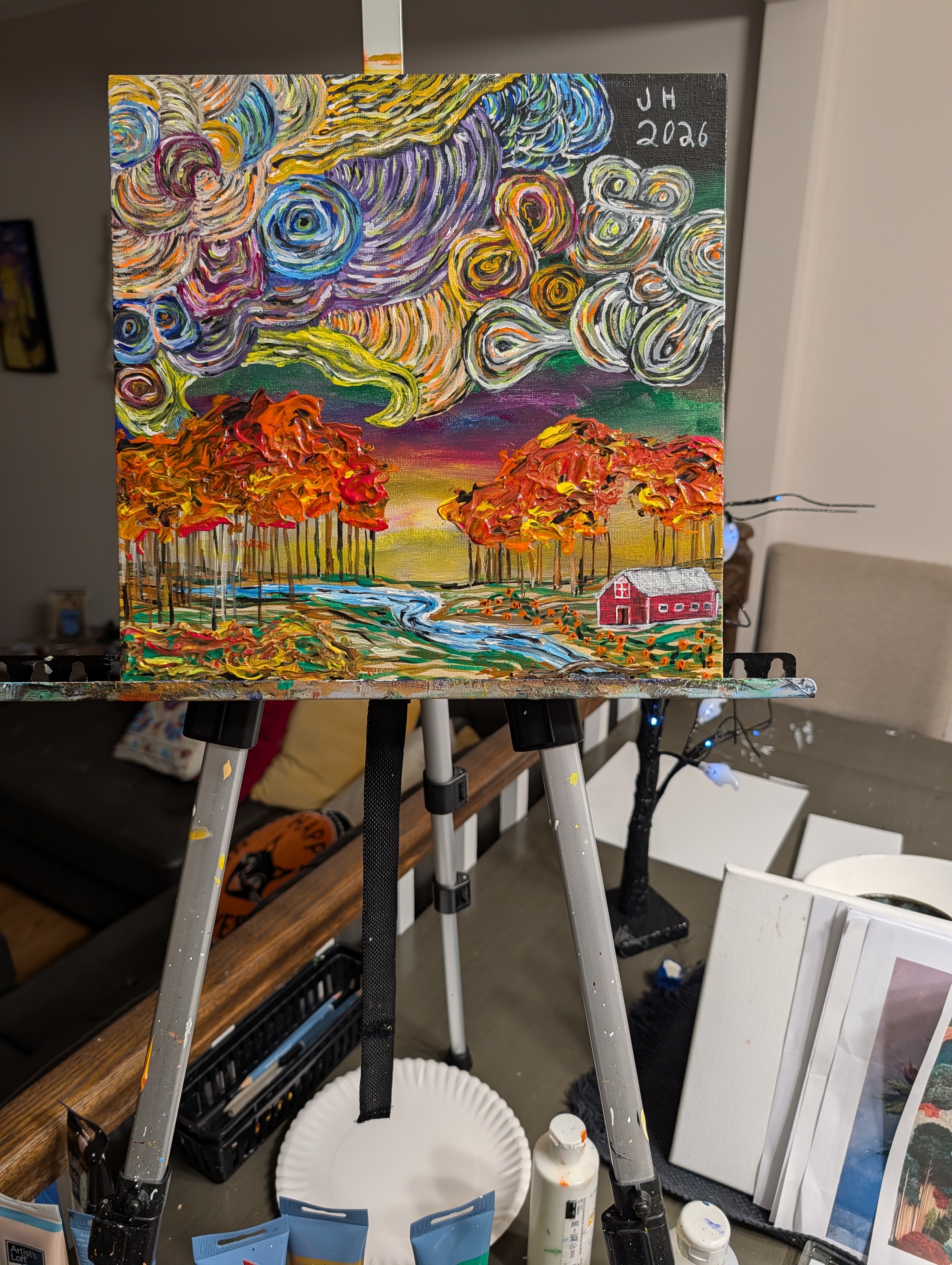
Colors and chaos. That is how I imagine that fateful day. The demons celebrating, had they after all actually defeated God? The angels standing watch, they were told not to intervene as their master was murdered. I wonder what they were thinking. Were the doubting God? If at a quantum level, everything is connected and physicists say the laws of relativity break down, did the universe shake and tremble as the creator breathed his last breath?
I have an old friend and mentor who is also a birdwatcher. “It’s not so much that I am interested in birds,” he once told me. “It’s that being a bird watcher has forced me to slow down. To be quiet. To pay attention. To look deliberately.”
A. O. Scott wrote an article this week in the New York Times Magazine about writer and art critic John Berger.
“Right now, we’re in the midst of an attention crisis, individually and collectively snared in an infinite scroll of disruption and distraction. Berger saw this crisis coming and foresaw its consequences. In 1978, writing about photography and its impact on the modern world, he argued that the dominance of images “creates an eternal present of immediate expectation: Memory ceases to be necessary or desirable. With the loss of memory, the continuities of meaning and judgment are also lost to us.”
Berger wrote deliberately about art not necessarily as an art critic, comparing one painter against another or one movement to another. Instead he wrote about art as the discipline of seeing.
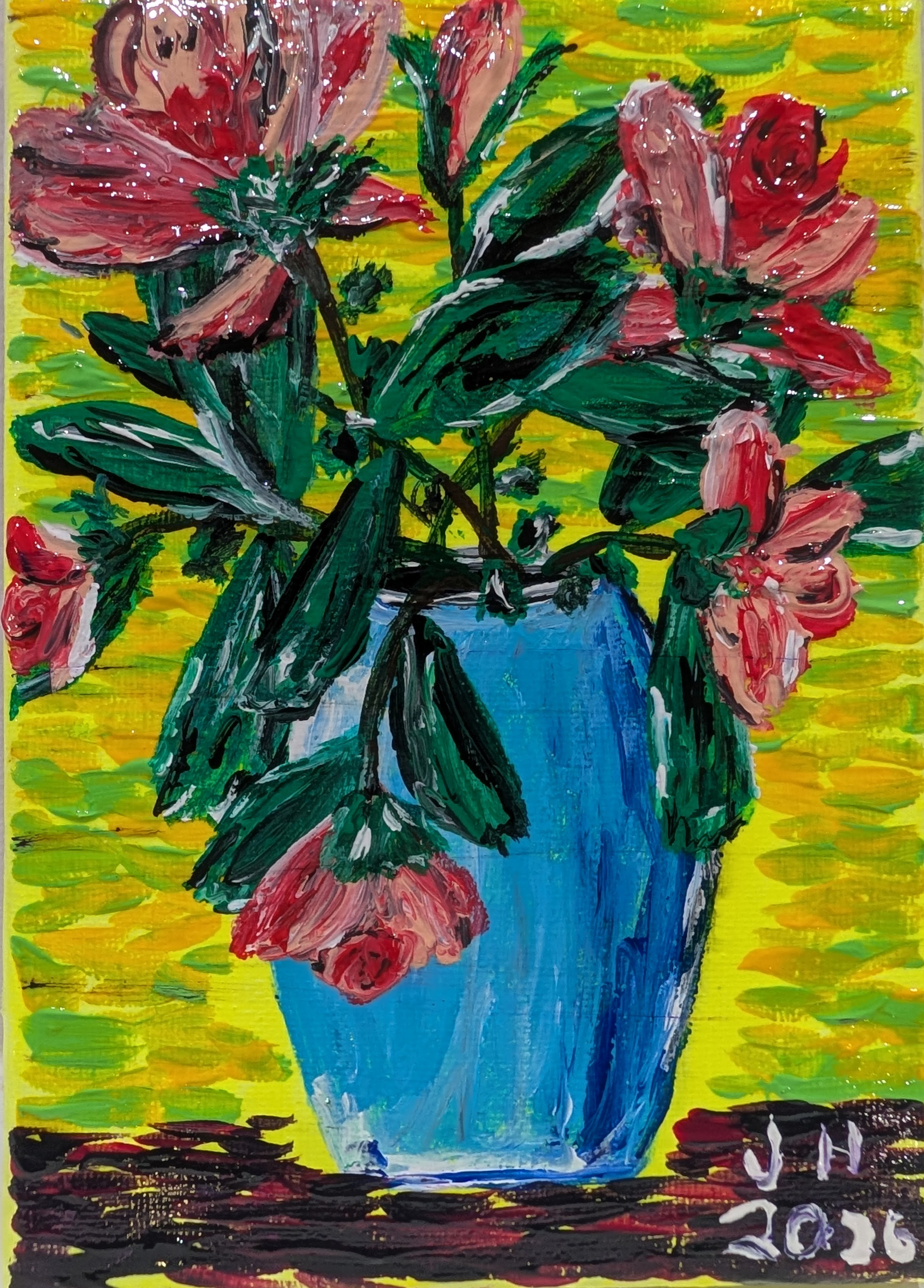
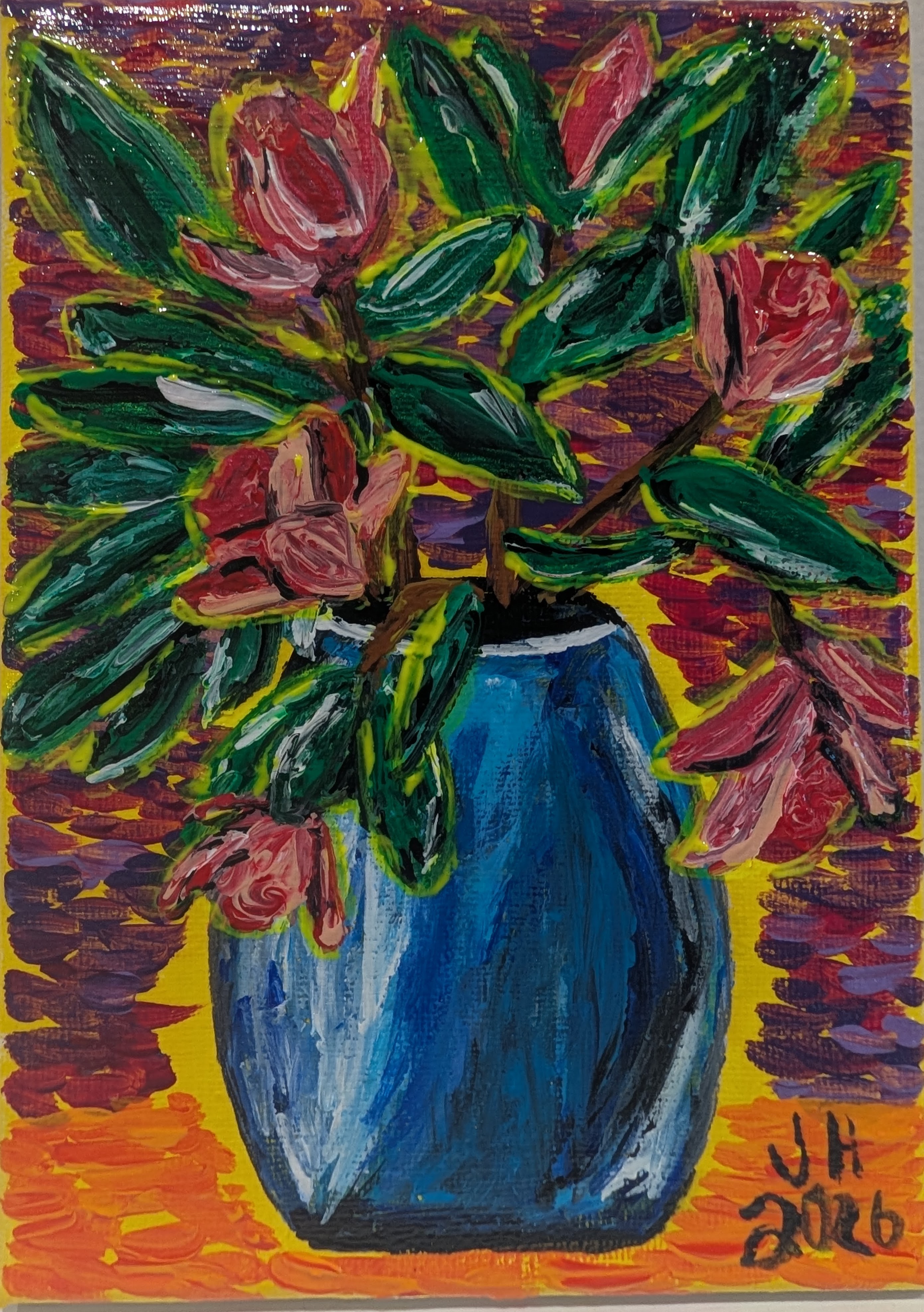
I’ve recently myself begun painting. After years and years of writing, I suddenly and deliberately switched to colors on canvas. I don’t really know why, except maybe I grew tired of the avalanche of words that nobody read. At least in a painting, you have everything there at one glance. No need to force the discipline on others of sitting down and plodding through 100,000 words. It wasn’t working anyways. But it is more than that — like my old mentor found in birdwatching, I found that in painting I can slow down. Try and find the right balance of colors. Try and identify a way to highlight one piece of the composition; to put shadow or highlight — I have learned to look, to glory in colors, to try and think about what I’m trying to express and how a specific shape or shade delivers emotions. But also:
“An oil painting may be an object, a commodity in the marketplace, but it’s never only that. It is also the expression of the painter’s subjectivity, the work of hands that reach across time and geography to find receptive eyes.”
I love to think about my paintings, hanging in houses near and far, where strangers pass by and glance before they move on — maybe thinking of criticism or maybe captured by a color or a shadow. And how this will keep happening forever, because who ever destroys art? And while books sit on a shelf, never to be opened, a painting forces itself on people, to see the world the way I saw it, if only for a split second.
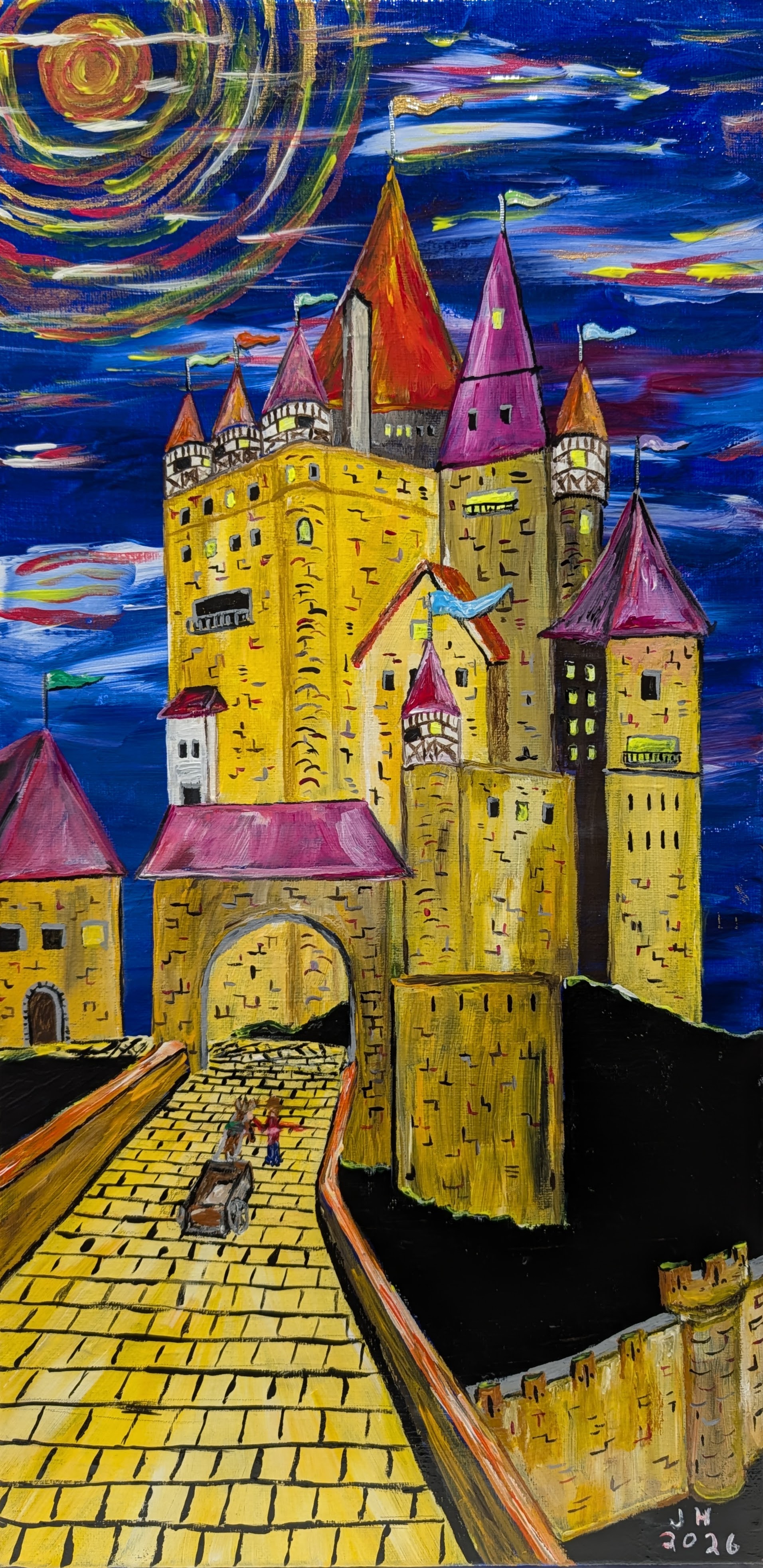
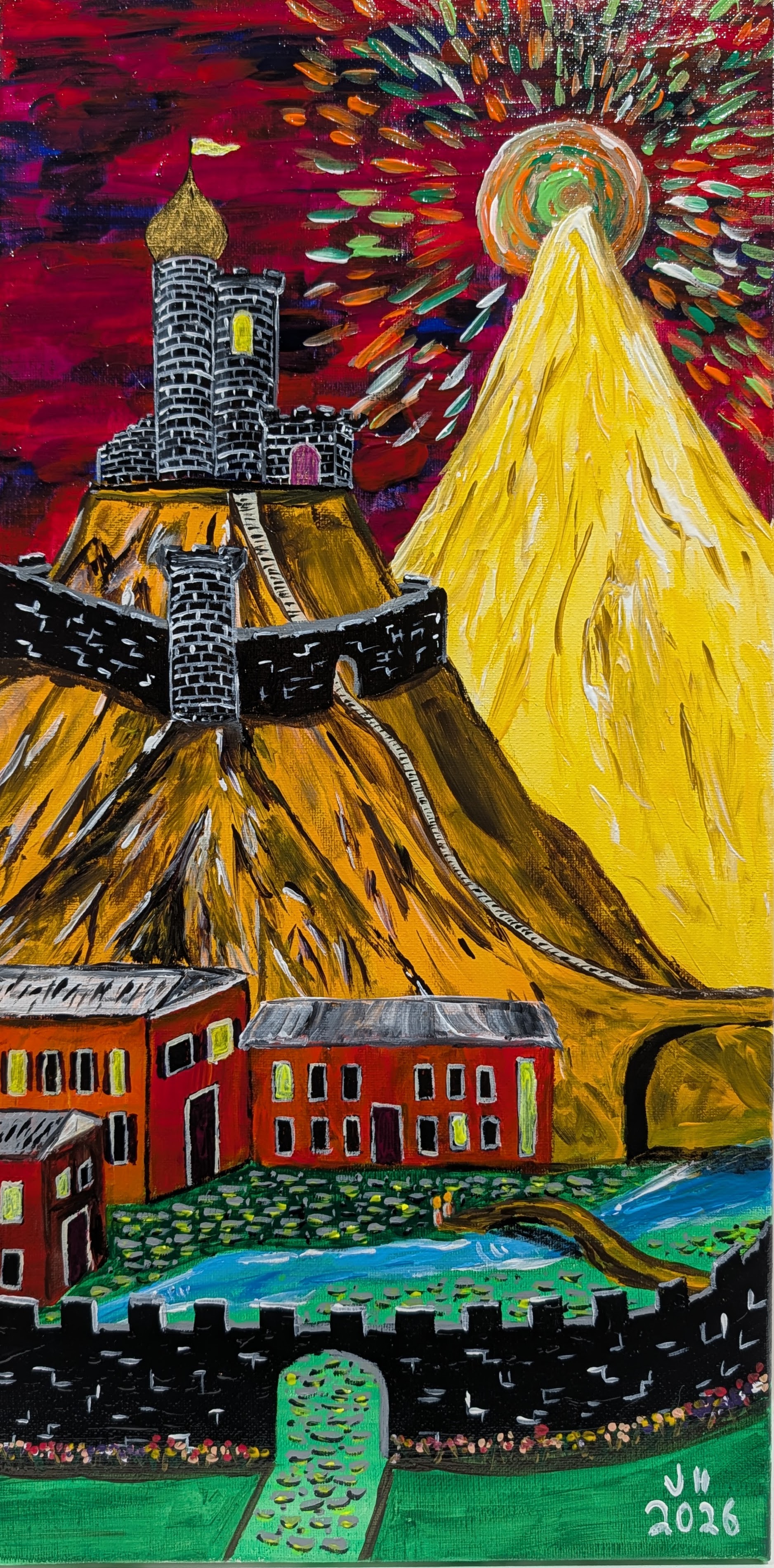
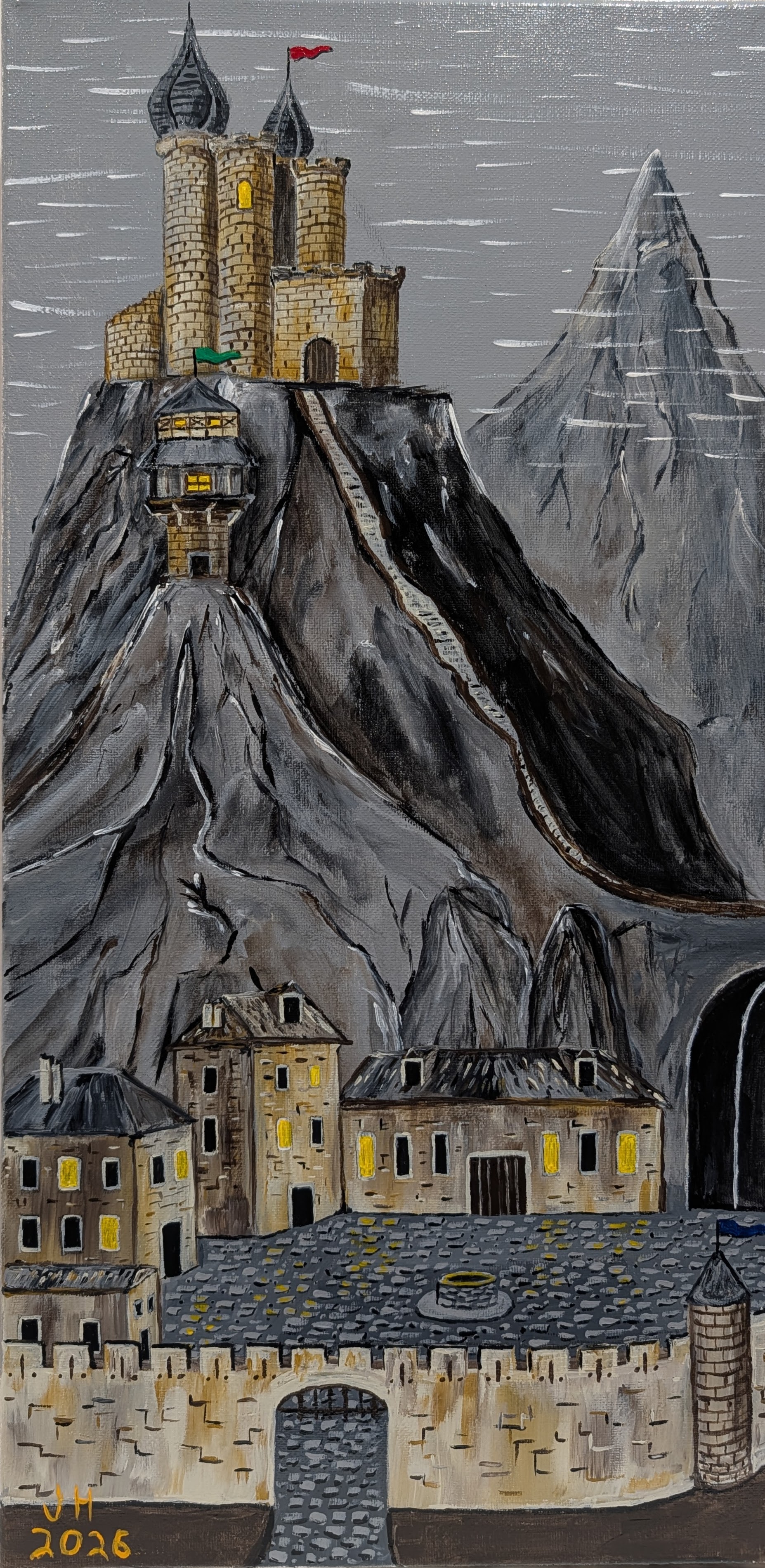
Europe is a museum to its remarkable past. After the great wars, they tried to build a continent safe from war and violence and poverty. It was a remarkable experiment, which is now mostly coming to an end. Such things are unaffordable, and only last as long as people remember why they were engaged in the endeavor and why they too should sacrifice. https://www.artpal.com/joeldhirst?i=319328-53
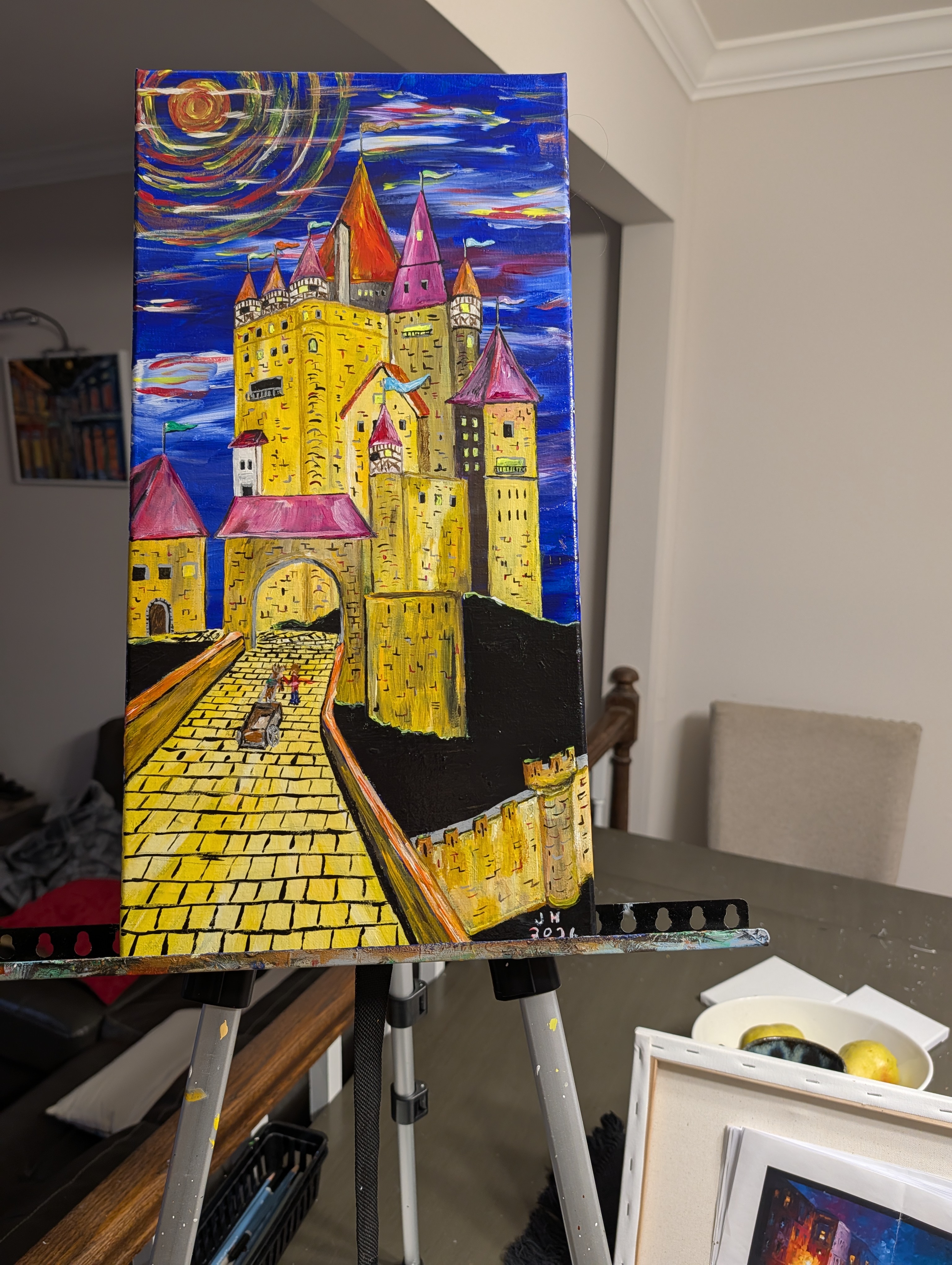
Eltz Castle features heavily in my dystopian novel, The Unraveling:
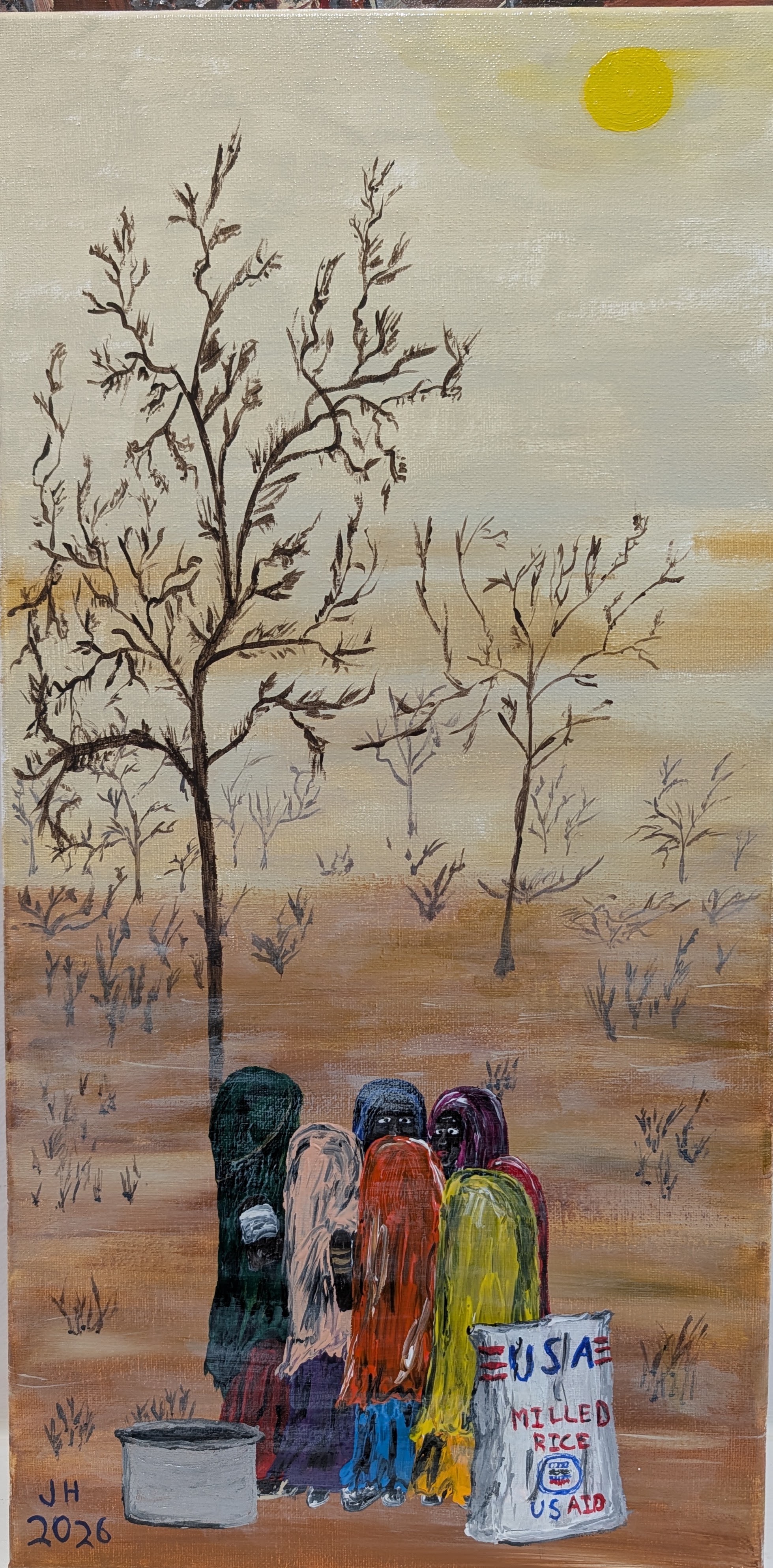
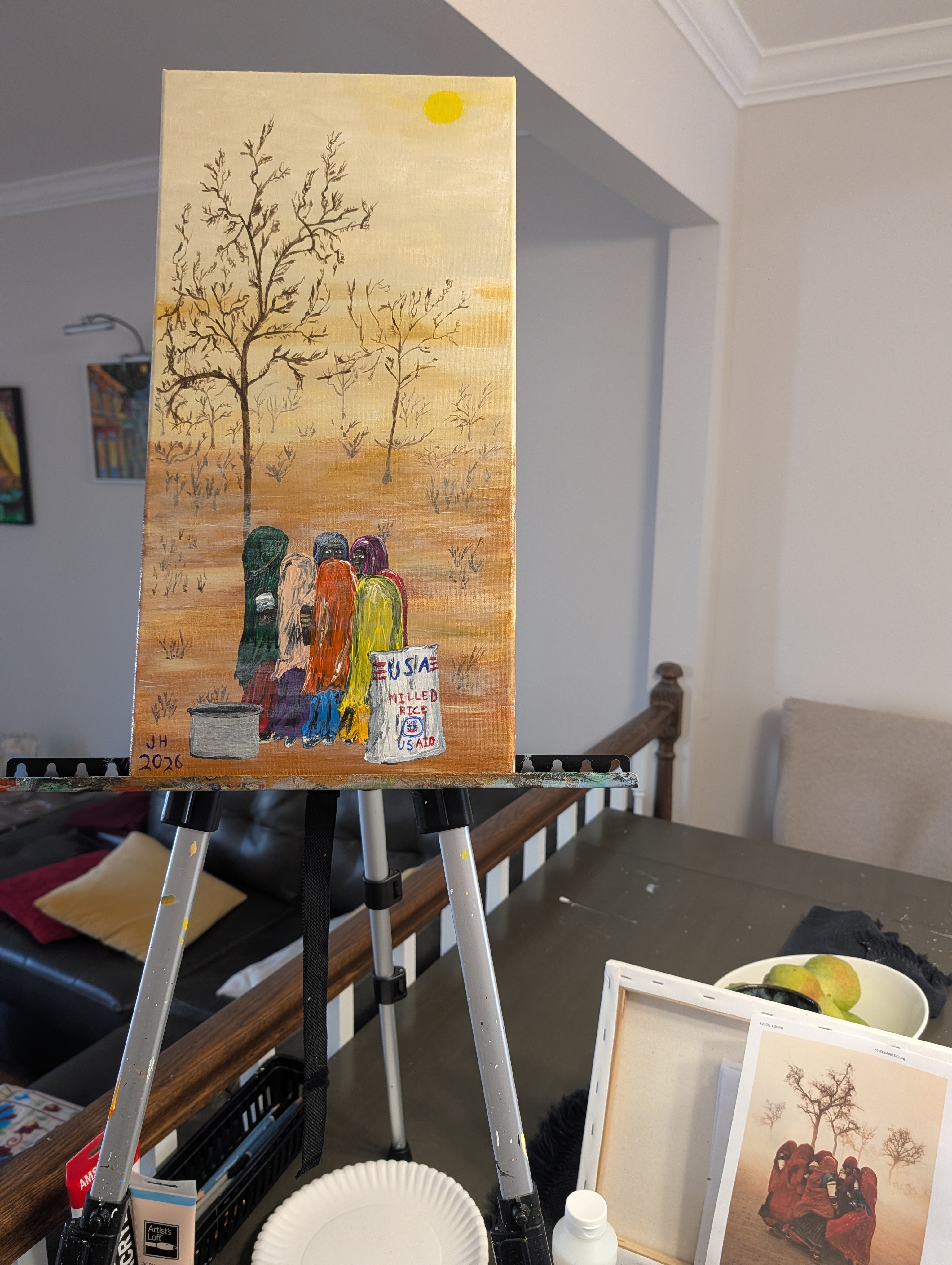
A group of Sudanese women stand, huddled together for protection against the sandstorm. They have likely fled the Janjaweed (current RSF), or maybe the army, or maybe both. All they have in the world is a tin pot and a bag of USAID rice. Pretty crazy to think that this painting is now protest art, and that it would elicit howls of rage on social media. I wonder what is wrong with us?
There’s a sub-plot to this painting. For the last five years I worked as part of the Louisiana delegation on the hill. There, one of my jobs was to support the state’s rice industry, which is always under such threat from shrinking markets and unfair competition from inferior quality product from India or Thailand (I even received the 2026 Staff of the Year award from USA Rice, though I was not on the Ag committee, in appreciation for my efforts for the farmers of Louisiana). Rice is a settled market, stable, so when a client vanishes they are hard to replace. Under PL480, the US government’s food assistance program called Food for Peace, USDA or USAID purchased between $1b to $2b a year of US agricultural products, rice being one of them. When USAID was wiped out our ricers lost a market worth tens of millions of dollars. Meanwhile, the Sudanese, the Somalians, the Yemeni, the Nigerians, many more lost access to staple foods to feed their babies. Many hundreds of thousands have died.
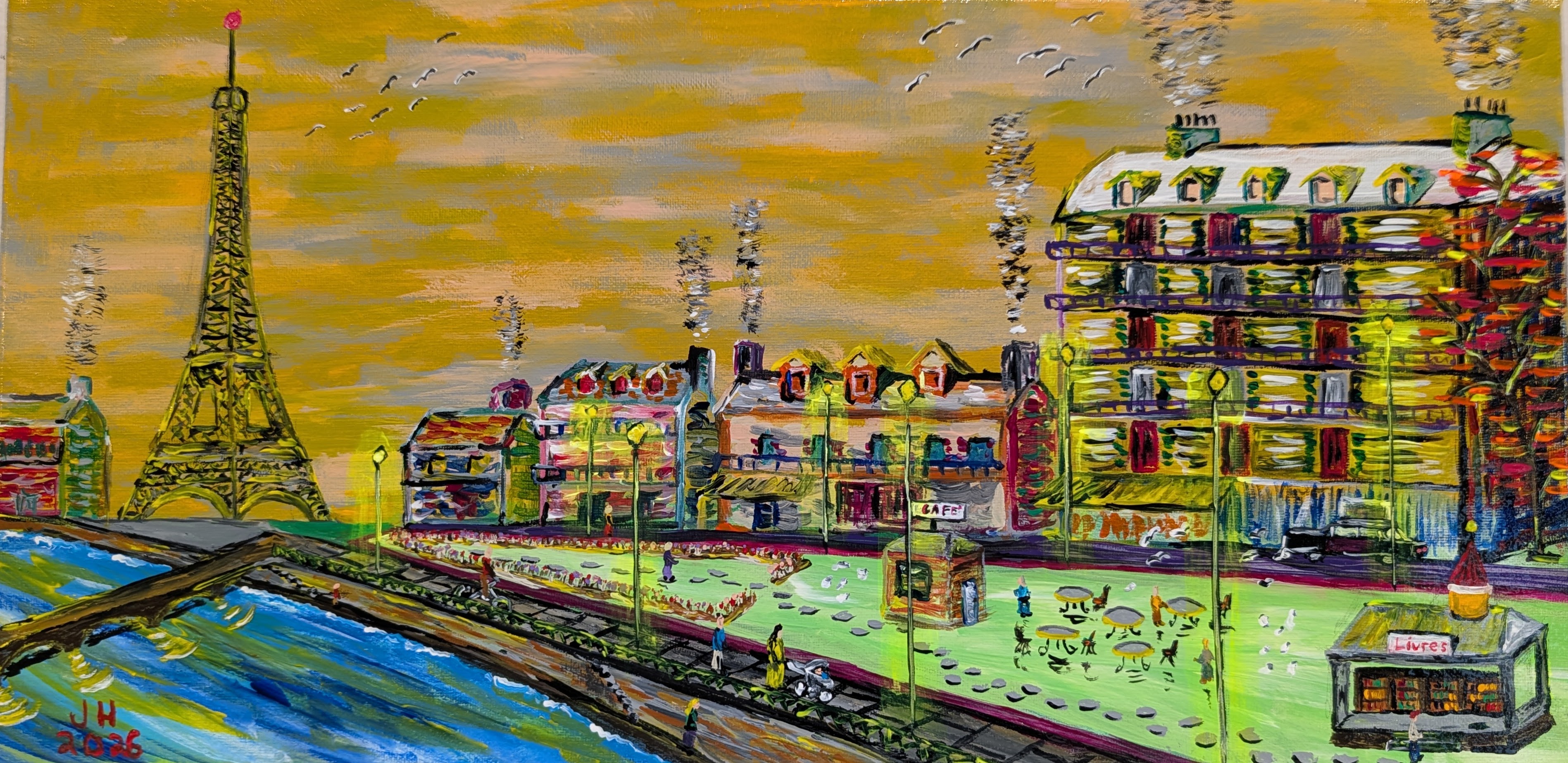
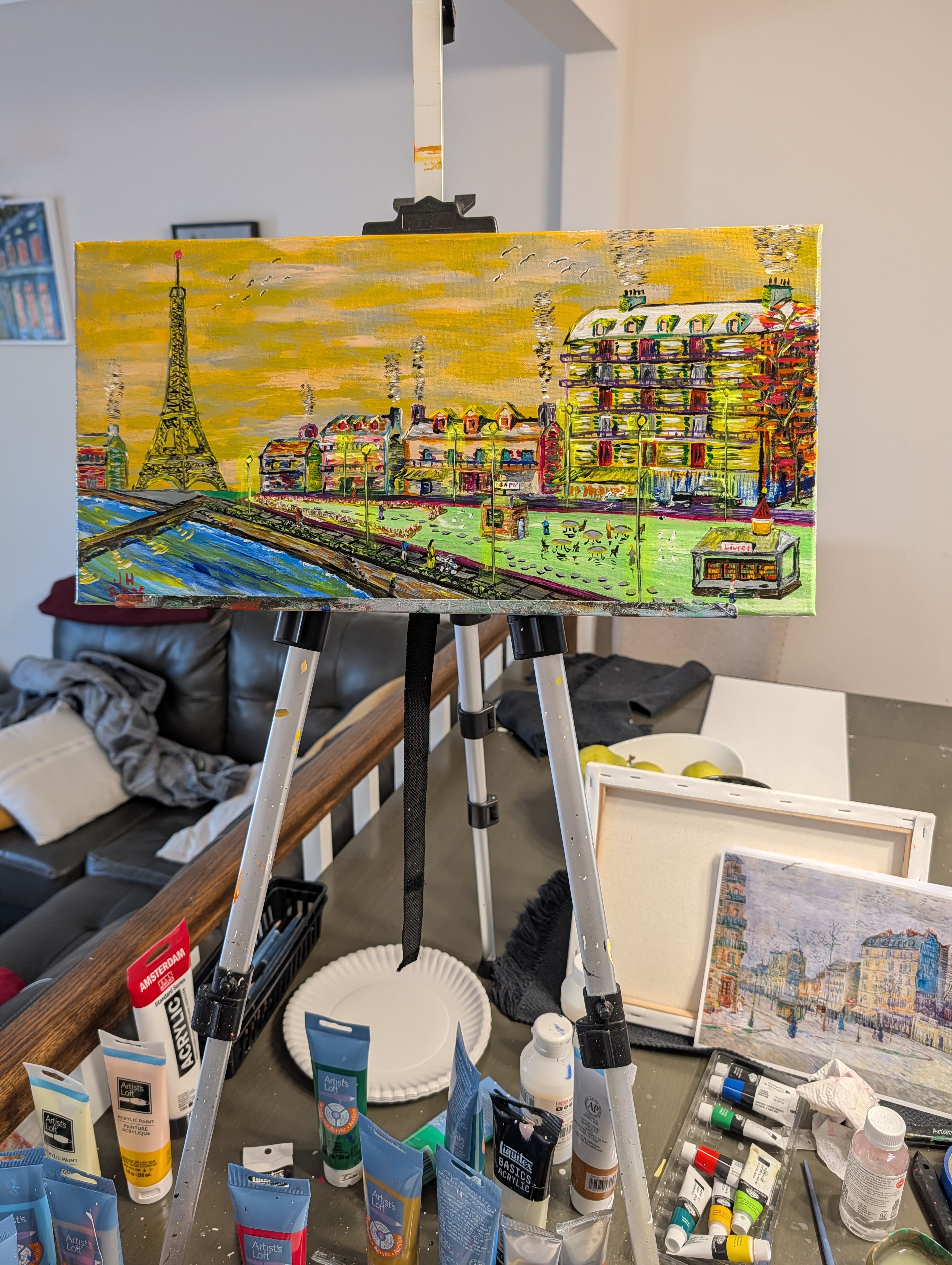
Paris does abide. The last time I was in France was for my sister in law’s wedding, in Grenoble in 2019 I think. Before then, it was for a few days with my wife and my other sister in law, touring Notre Dame and the Champs Elysée. We stayed at a VRBO in a wealthy part of town, an old townhouse which had been occupied by the Nazis and was full of closets of papers and books and trinkets — and it was haunted. The most memorable time I had in Paris was on a layover, three nights I think, alone on a work trip. I went to the Louvre and Shakespeare and Company. I walked along the Seine. It was April and drizzling, cool and the tourists had not yet arrived for summer. I ate pasta and drank wine and read a book, the cool air blowing over me and to the muffled sounds of Paris. Paris does abide. https://www.artpal.com/joeldhirst?i=319328-37
For about ten years I fought in the “War on Terror”. My work was in three theaters, all in Africa (Uganda, Mali, Nigeria) against ISIS, Al Shabbab, Al Qaida and Boko Haram. I mapped jihadi movements throughout the Lake Chad region (though I’m not a spy); I helped take 124,000 fighters and their families off the battlefield, through a deradicalization program, though I’m not a soldier. I’ve walked through the sandy alleys of Timbuktu. I’ve made the phone call, “There has been another attack, everyone is accounted for” countless times. I have myself been in many different attacks (thankfully always at arms length) and have lost friends and contacts (though I never lost anyone on my teams, despite a few close calls). It’s been a wild ride.
I was in Boston on 9/11, from where one of the planes took off. In grad school.
Taking a cue from Bush or Churchill, I have been painting a little bit (you can see some of my stuff here: https://lnkd.in/eXm-Dj-6 ). The below one is from Bush’s speech at Ground 0. Everyone knows what I’m talking about, the speech of a lifetime — unscripted and unprepared — I still listen to it sometimes and get chills.
It has been a complicated 25 years indeed for our country, and I am so grateful for all those who I fought alongside for a season, as we sought to keep America safe and make the world a better place. God bless you all!